Retro Revival
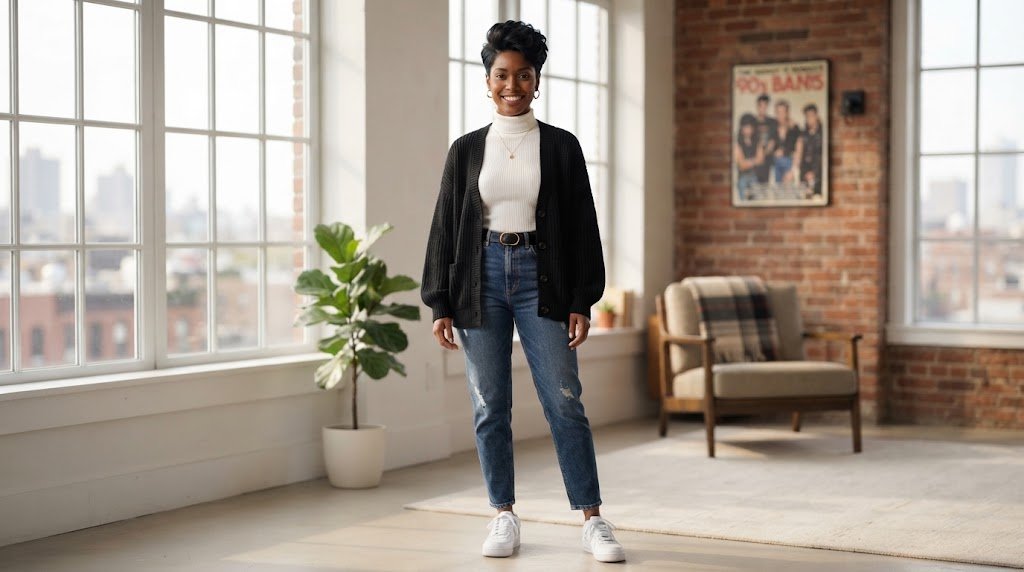
The bixie 90s haircut black trend blends the sharp shape of a pixie with the softer movement of a bob, creating a short style with layered texture and retro character. For Black women, the look can be adapted across natural, relaxed, pressed, curly, and coily textures while keeping its signature 1990s silhouette and versatility.
Classic Bixie
The classic bixie keeps the recognizable bob-pixie balance while adding soft layers around the face. On Black hair, the shape can be tailored to natural, relaxed, or heat-styled textures without losing its retro personality. A slightly longer back with shorter framing layers creates dimension, movement, and an easy transition between polished and textured finishes.
Layered Bixie
Layered bixies emphasize the haircut’s shaggy 90s character through graduated pieces and airy movement. For Black women, layers can be adjusted to suit natural coils, relaxed strands, or pressed hair. The result feels lightweight rather than bulky, while face-framing sections provide definition and help the short cut maintain a deliberately effortless retro appearance.
Side Sweep
A side-swept bixie adds a graceful direction to the short silhouette, making the haircut feel polished without becoming overly formal. The sweeping fringe can complement natural waves, curls, relaxed hair, or heat-styled textures. Soft layering through the sides keeps the shape connected to the bob-pixie structure and reinforces its recognizable 1990s influence.
Curly Bixie
A curly bixie brings volume and spring into the bob-pixie shape, especially when natural curls are allowed to remain visible. The cut can be adapted for 3C curls and other textured patterns by controlling length and layering carefully. Defined curls give the hairstyle dimension, while a shorter outline keeps the overall look unmistakably bixie.
Coily Bixie
A coily bixie adapts the retro concept for tighter natural textures by working with the hair’s natural lift and shape. 4B and 4C textures can create a distinctive silhouette when the cut is customized rather than copied exactly. Defined coils, strategic layering, and a controlled outline preserve volume while keeping the hairstyle balanced and wearable.
Tapered Bixie
The tapered bixie combines the softness of layered length with a cleaner, sculpted outline. This version works particularly well when the sides or nape are shortened to create contrast. Black women with natural or heat-styled hair can use the taper to highlight facial features while maintaining enough textured length above for the signature bixie movement.
Undercut Bixie
An undercut bixie introduces a stronger edge beneath the softer layered top. The contrast can make the hairstyle look more sculpted while keeping its bob-pixie foundation recognizable. For Black hair, an undercut can be paired with curls, coils, waves, or relaxed texture. Regular shaping helps the shorter section remain clean and visually intentional.
Feathered Bixie
A feathered bixie uses light, outward-moving layers to create the airy finish associated with many retro short hairstyles. The technique works across relaxed and textured Black hair when the stylist considers density and curl pattern. Feathered ends soften the haircut, while shorter framing pieces add dimension around the face without making the silhouette feel heavy.
Highlighted Bixie
Highlights can give a bixie additional dimension without changing its fundamental shape. Caramel, honey brown, copper, golden, or warm brown accents can emphasize individual layers and make textured movement more visible. On Black hair, color placement should support the haircut’s structure, allowing the retro bob-pixie silhouette to remain the main feature instead of overpowering it.
Copper Bixie
A copper bixie combines the haircut’s layered movement with a warm, expressive color direction. Copper can appear dimensional when placed through feathered sections, curls, or waves. The style remains rooted in the 90s bixie aesthetic because the shape stays short, textured, and softly layered. Regular color attention helps preserve its polished appearance between salon visits.
Burgundy Bixie
A burgundy bixie gives the short haircut a deeper, richer interpretation while preserving its retro structure. Burgundy works naturally with layered bobs, textured crops, and side-swept shapes. On Black hair, the color can add visual depth to curls, coils, or relaxed strands, making individual sections more noticeable while keeping the overall hairstyle sophisticated and wearable.
Jet Black
A jet-black bixie focuses attention on shape, texture, and silhouette rather than color contrast. The deep shade pairs naturally with layered, feathered, side-swept, and sculpted versions of the haircut. For Black women, a jet-black finish can make the 90s influence especially striking, particularly when the cut includes visible movement around the face and crown.
Natural Bixie
A natural bixie keeps the focus on the wearer’s authentic texture instead of forcing the hair into a single finish. Natural curls, waves, and coils can all influence the final shape. The haircut should be customized for shrinkage, density, and movement, allowing Black women to enjoy the recognizable bixie concept while maintaining a texture-friendly routine.
Relaxed Bixie
A relaxed bixie offers a smoother interpretation of the retro cut, making layers and face-framing sections especially visible. The bob-pixie shape can look polished when the hair is worn straight, side-swept, or lightly waved. Gentle heat practices, conditioning, and suitable styling products help maintain the finish without turning the hairstyle into a high-effort routine.
Finger Waves
Finger waves give the bixie a polished 90s finish by shaping short sections into visible curves and ridges. This variation works best when the haircut already has a clean, layered foundation. On Black hair, finger waves can create a refined contrast with the shorter silhouette, making the bob-pixie hybrid feel distinctly retro while remaining fashion-forward.
Brushed Back
A brushed-back bixie moves the front sections away from the face, creating a confident, open silhouette. The style keeps the short layered structure but changes the visual direction of the hair. On Black women, it can complement relaxed, pressed, curly, or coily finishes, depending on how much texture and definition are retained through the crown.
90s Styling
The classic 90s bixie is defined by texture, volume, and movement rather than a perfectly rigid finish. Texture spray can enhance layers, while a round brush and blow dryer can build volume. Straighteners or curling irons can create different finishes when heat protection is used. Strong-hold cream, wax, or hairspray can provide additional control.
Maintenance Guide
A bixie generally benefits from regular shaping because its short layers and outline become less defined as they grow. One competitor recommends trims every 6–7 weeks, while related bixie coverage gives a 6–8 week range. Tapered or undercut versions may need attention sooner, with one example recommending salon visits every 3–4 weeks.
Texture Choices
The bixie is highly adaptable, but the classic 90s shape does not behave identically on every texture. Fine and medium hair can reproduce the traditional silhouette easily, while tighter curls and coils may create more upward volume. For Black women, customization is essential, especially across 3C, 4B, and 4C textures, because shrinkage changes visible length.
Final Look
The bixie 90s haircut black trend works because it combines a familiar retro silhouette with modern flexibility. From layered curls and defined coils to tapered, highlighted, burgundy, or jet-black versions, the haircut can be personalized without losing its bob-pixie identity. With thoughtful shaping and maintenance, it offers a distinctive short style with lasting visual character.